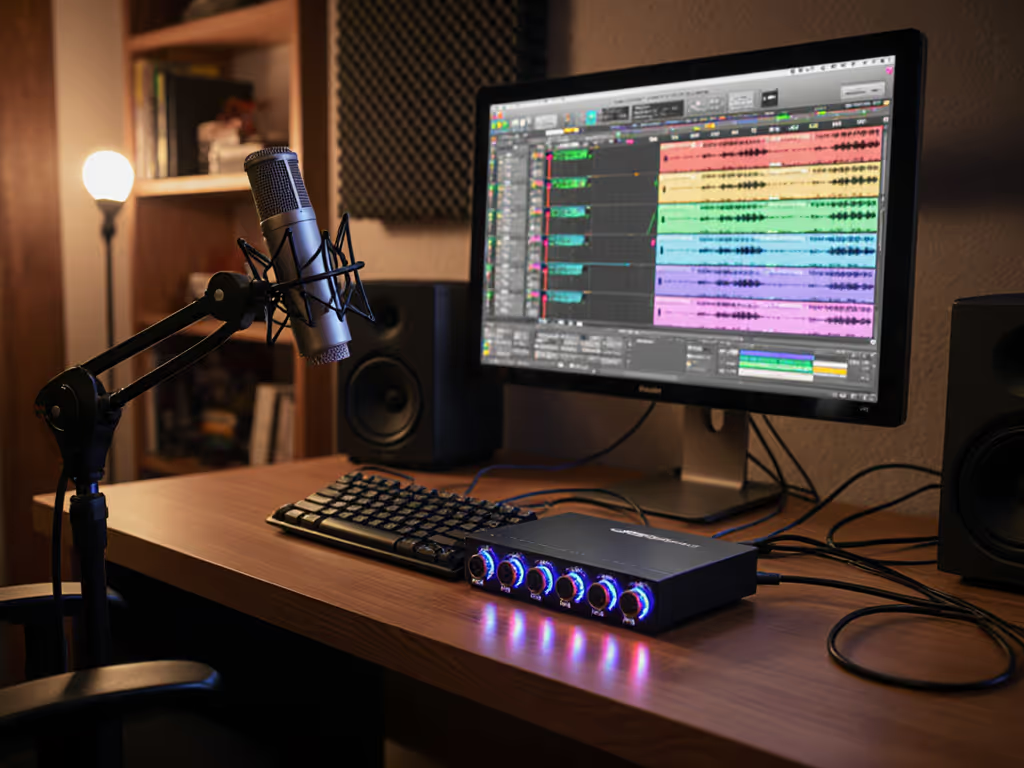

Stop Humidity Hissing in Condenser Microphones
By Jakob Steiner • 6th Dec

Let's cut through the marketing fluff: humidity-related microphone performance degradations aren't inevitable disasters, but they're frequently misunderstood. The real issue isn't whether your $300 condenser will die from morning dew, it is how environmental factors can silently sabotage your broadcast-ready audio before you even hit record. As a remote engineer who has salvaged national podcast feeds from hotel ballrooms and forest cabins, I see this mistake daily: creators chasing corrective processing instead of preventative chain discipline. The truth? Clean capture beats corrective processing every time.
Why Humidity Hissing Isn't What You Think
Most forums scream that humidity destroys condenser mics. Nonsense. The crackling and hissing you hear isn't permanent damage, it is physics temporarily short-circuiting your signal chain. Remember our core principle: clean gain starts with understanding how your transducer actually works.
AF capacitor microphones (nearly all studio condensers) operate using a stored charge on a 1GΩ+ circuit. When humidity rises, water molecules create alternative paths for that charge to bleed off, producing audible artifacts. This isn't "damage", it is your mic working exactly as designed in unsuitable conditions. The critical distinction: temporary malfunction versus permanent harm. Schoeps engineers test their mics to 90% humidity, and Sennheiser's RF-biased MKH series laughs at coastal fog. Your problem likely isn't the mic, it is mismatched expectations.
I once fixed a "muddy" panel show for a major client by moving chairs away from glass walls, adding portable gobos, and tightening polar patterns, not by swapping mics. The real culprit? Low preamp headroom amplifying humidity-induced noise floor fluctuations. For reflections, gobos, and placement strategies that reduce perceived hiss, see our room acoustics guide. Suddenly sponsor reads snapped into focus, and editing became assembly, not surgery.
The Three Humidity Traps (And How They Waste Your Time)
1. The Dewdrop Deception
Capture clean, commit early, and keep sponsors breathing between words.
That morning recording session after rain? Not dangerous if managed. But when you ignore microphone maintenance in humid conditions, those tiny water droplets create intermittent contact points on the diaphragm. Result: random high-frequency clicks that sound like digital glitches. Most editors waste hours scrubbing these out when 20 minutes of acclimatization would've prevented them entirely. RF-biased mics (like the Schoeps CMIT) handle this better, but even standard condensers recover fully when dried (just leave them powered with phantom on for 30 minutes in a dry space).
2. The Climate-Shift Crisis
Moving mics from cold car to warm studio is worse than steady humidity. That "sweating beer can" effect introduces actual condensation inside the capsule. Unlike gradual humidity changes, liquid water bridges create sustained signal distortion, not temporary noise. Your "fix" shouldn't be noise reduction plugins; it should be audio equipment climate control via simple acclimatization. Wait 45 minutes before powering up. Always.
3. The Dynamic Microphone Mirage
Just use a dynamic mic! (the lazy advice of engineers who have never recorded intimate voiceovers). Yes, Shure SM7B units ignore humidity perfectly. Considering that route? Read our Shure SM7B review before you switch. But they also sacrifice presence region clarity critical for sponsor reads. That smooth top-end where consonants pop? Gone. You'll need +20dB gain, amplifying your interface's noise floor. Now you're editing more, not less. My bias is clear: I prefer smooth presence dynamics with strong rejection, but never at the cost of intelligibility.
Your Action Plan: Preventative Chain Discipline
Stop treating symptoms. Fix the root cause with these field-tested protocols:
Environmental Control That Actually Works
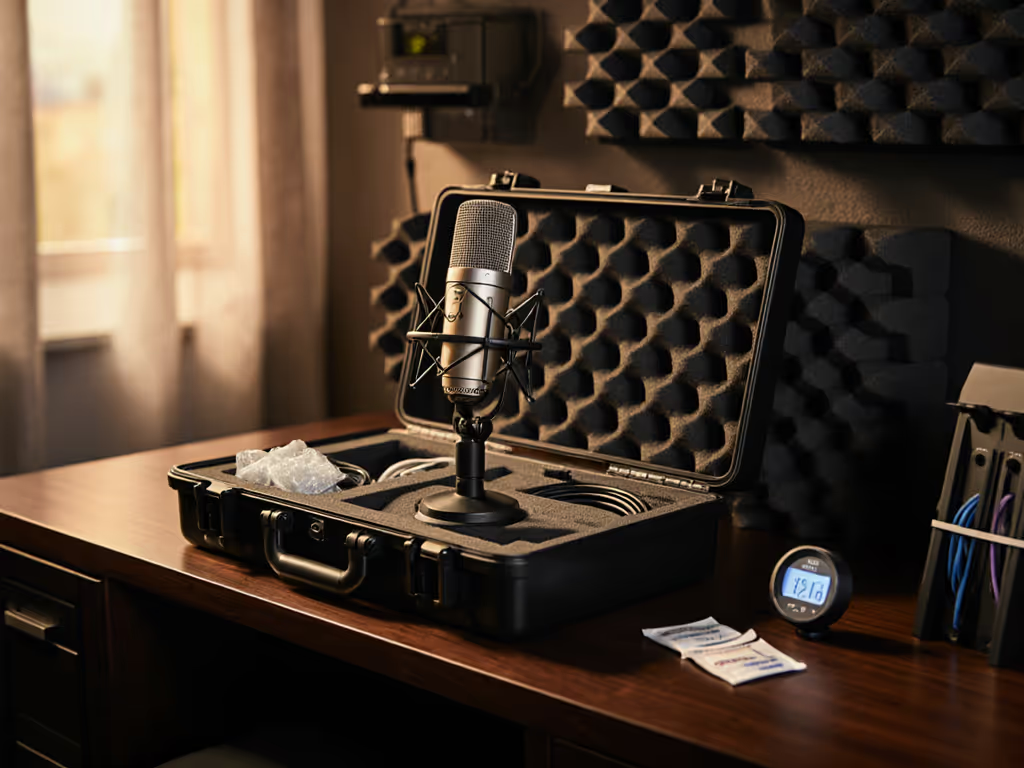
- Temperature Ramp Rule: Never expose mics to >15°F temperature swings without acclimatization. Store in insulated cases with silica packs between sessions.
- Blimp + Furry: Not just for wind. The Rycote Lyre system creates microclimate buffering against humidity spikes.
- Strategic Placement: Avoid windows, doors, and HVAC vents (the primary humidity vectors in home studios).
Technical Countermeasures
| Solution | Best For | Tradeoff |
|---|---|---|
| RF-biased mics (MKH series) | Outdoor/variable climates | 3-5dB higher self-noise |
| Lower gain + +48V | Critical quiet passages | Reduced headroom for loud voices |
| 10dB pad activation | Singer/musical guests | 10dB lower SNR for quiet speakers |
Most crucial: verify your entire signal path has adequate preamp headroom. That interface struggling to hit -18dBFS clean? It'll amplify humidity artifacts into the audible range. Measure your noise floor before humidity hits, it exposes system weaknesses before they ruin recordings.
When to Walk Away From Condensers

Adenzai Cartoon Plush Doll
Adorable, huggable plush inspired by popular cartoons, perfect for fans.
$25.99
MaterialHigh-quality soft fabric
MaterialHigh-quality soft fabric
Pros
Cute, vibrant, and detailed designs.
Soft and cuddly for all ages.
Portable companion for travel.
Cons
Size and quality can be inconsistent.
Customers find the plush toy cute and soft, with one noting its amazing detail. The build quality and size receive mixed feedback, with some saying it's well made while others find it poorly made, and some consider the size perfect while others say it's smaller than expected. The quality and value for money also get mixed reviews, with some finding it good while others report poor quality, and one customer noting it's not worth $25.
Customers find the plush toy cute and soft, with one noting its amazing detail. The build quality and size receive mixed feedback, with some saying it's well made while others find it poorly made, and some consider the size perfect while others say it's smaller than expected. The quality and value for money also get mixed reviews, with some finding it good while others report poor quality, and one customer noting it's not worth $25.
Sometimes the right tool isn't the condenser. Consider dynamic microphone alternatives when:
- Recording in tropical climates with daily 90%+ humidity swings
- Capturing loud sources (shouting, instruments) where proximity effect dominates
- Budgets prioritize absolute reliability over nuance (community radio stations)
But if you need that crystalline presence for $20k sponsor reads? Stick with condensers, and master the environment. I've recorded wood frogs at Walden Pond in 100% humidity using Lewitt LCT 540s with zero artifacts. The secret wasn't magic, it was chain discipline: blimps, strategic placement, and verified preamp headroom.
Final Reality Check
"Condenser microphone singing" isn't a real phenomenon, it is humidity artifacts misdiagnosed. That crackling isn't your mic "crying"; it's physics demanding respect for environmental variables. Stop blaming gear. Start controlling variables.
The studios with broadcast-quality audio don't have secret mics, they have disciplined chains. They capture clean, commit early to environmental management, and never mistake symptoms for root causes. Your "fix" isn't another plugin, it is understanding that humidity microphone performance issues are always upstream of your DAW.
Ready to test your chain's humidity resilience? Record 10 minutes of silence in your space before guests arrive. Zoom to waveform level. See intermittent spikes? That's your humidity footprint, not your mic failing. Now you know exactly where to focus. If issues persist, work through our podcast mic troubleshooting checklist.
For deeper technical analysis of capsule architectures, consult the AES papers on RF vs. DC-biased transducers. The real solutions live in physics, not marketing claims.
Related Articles